
What is VPN
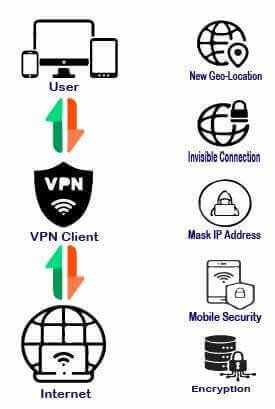
A virtual private network, or VPN, is an encrypted Internet connection between a device and a network. Sensitive data is transmitted safely thanks to the encrypted connection. It avoids spying by unauthorized parties and enables the user to work from home.
Available on:
![]()
Some of the Best VPN Services in 2025
Surf the web safely & anonymously using a top VPN from our list of recommended brands.

NordVPN
NordVPN is a virtual private network (VPN) service provider that encrypts your internet traffic and hides your IP address, providing online privacy and security.

Private Internet Access VPN
PIA VPN ensures online privacy with secure, anonymous browsing, fast connections, and strong encryption. Protect your data and access content globally.

Surfshark VPN
Surfshark VPN is a secure and speedy virtual private network that provides unlimited connections, no-logs policy, ad/tracker blocking, and advanced privacy features.

CyberGhost VPN
Stay safe and anonymous online with CyberGhost VPN. Enjoy fast speeds and access any content with strong encryption. Protect your privacy and surf the web like a ghost.
1. NordVPN
Overall Rating: 4.9 / 5.0
Features:
- Proven Zero-Logs Policy
- Double VPN Encryption for Extra Security
- Reliable Kill Switch for Protection
- High-Speed NordLynx Protocol
- Dedicated IP Option
- Dark Web Monitoring Alerts
- Built-in Threat Protection
2. Private Internet Access VPN
Overall Rating: 4.7 / 5.0
Features:
- Proven Zero-Logs Policy
- AES-256 Encryption for Enhanced Security
- Reliable Kill Switch for Protection
- Massive Global Server Network
- Unlimited Bandwidth for Smooth Streaming
- Advanced Split Tunneling Options
- Built-in Ad & Malware Blocker
3. Surfshark VPN
Overall Rating: 4.4 / 5.0
Features:
- Strict No-Logs Policy
- AES-256 Encryption for Security
- Unlimited Device Connections
- Dynamic Nexus Network
- Bypasser Split Tunneling
- MultiHop Double VPN
- Built-in CleanWeb Ad Blocker
4. CyberGhost VPN
Overall Rating: 4.2 / 5.0
Features:
- Verified No-Logs Policy
- AES-256 Military-Grade Encryption
- Dedicated Streaming Servers
- Expansive Global Server Network
- Unlimited Bandwidth for Streaming
- Ad & Malware Blocker
- NoSpy Servers for Extra Privacy
How does a VPN works?
-
A VPN routes your internet connection through a remote server. -
Hiding your IP address and online activity from your Internet Service Provider (ISP) and third parties. -
Providing a virtual location by changing your IP address. -
VPN encrypts your data to prevent it from being useful if intercepted. -
Provides privacy, security, and freedom to access content from anywhere.
Benefits Of VPN:
-
By encrypting internet data flows, VPNs improve security. -
By preventing online activity tracking, VPNs safeguard privacy. -
VPNs offer online privacy by obscuring your IP address. -
VPNs bypass geo-restrictions and access restricted content. -
VPNs shield users of public Wi-Fi from security risks.
Watch For Red Flags While Choosing a VPN:
Lack of transparency:
Be wary of VPN providers that don’t disclose their ownership or provide clear information about their policies and infrastructure.
Free VPNs:
Free VPNs may not be as secure as paid services and often come with limitations on bandwidth and features.
Suspiciously low prices:
If a VPN provider is offering prices that are significantly lower than the market average, it may be a red flag indicating that they are cutting corners on security or privacy.
Shady privacy policies:
Always read the privacy policy carefully and be wary of VPN providers that collect and retain more user data than necessary or share it with third parties.
Jurisdiction:
A VPN provider’s jurisdiction can have a significant impact on its ability to protect your privacy. Avoid providers based in countries with weak privacy laws or those that are part of international surveillance alliances.