Torrenting is a popular method for downloading and sharing large files. However, risks include exposing your IP address, leading to legal issues and data theft. Using the best VPN for torrenting is important to protect your online activity.
VPNs help you camouflage your IP and safeguard your connection and privacy when using torrenting sites. A VPN will shield your torrenting and maintain your anonymity, regardless of your device: Windows, Mac, Linux, or Android.
When you do not use a VPN, your torrent client broadcasts your IP address to all users sharing the same file, leaving you vulnerable to legal risks, ISPs, and other third parties.
Using this guide, you can identify some of the best VPN services that offer speed, security, and anonymity for torrenting applications, such as torrents for movies, music, or games.
| VPN Service | Key Features | P2P Support | Best Used for |
|---|---|---|---|
|
No-logs policy, WireGuard protocol for fast speeds, strong encryption, kill switch, and SOCKS5 |
Yes |
Security & Fast Speeds |
|
|
ExpressVPN |
High-speed servers, AES-256 encryption, split tunneling, and port forwarding |
Yes |
Privacy & Ease of Use |
|
Unlimited devices, built-in ad blocker, solid speeds, and no-logs policy |
Yes |
Best Budget Option |
|
|
Open-source apps, dedicated Torrenting servers, port forwarding, and robust encryption |
Yes |
Torrenting & Privacy |
|
|
Easy-to-use apps, optimized servers for Torrenting, and streaming services |
Yes |
Beginners & Streaming |
Choosing the best VPN for torrenting requires a careful look at specific features that ensure your privacy, security, and speed. Here are the key factors to consider when picking the right VPN for torrenting:
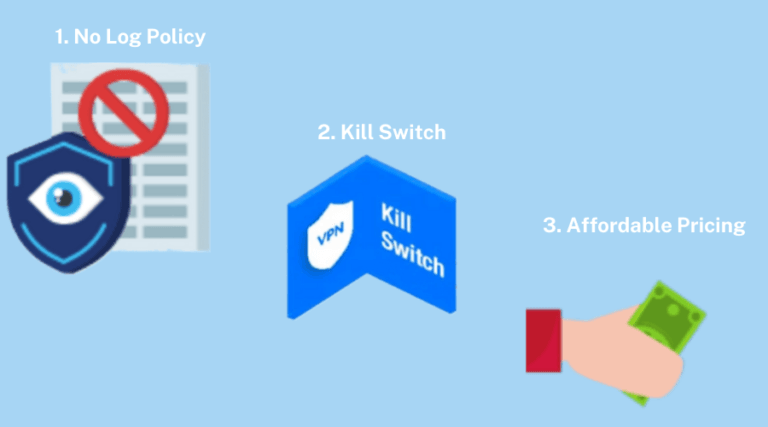
1. No-Logs Policy
Some of the most important features for torrenting involve having a policy that does not keep any logs. The service provider does not record your online activities to protect your identity. When using a VPN that logs, your torrenting becomes traceable, making the VPN service pointless.
2. P2P Support
Many connections do not allow P2P (peer-to-peer) file sharing through VPN. Always ensure your VPN has a P2P traffic allowance on its servers. Some VPNs provide special torrenting servers, making your torrenting experience even better since you will get a faster and more secure connection during downloading or uploading.
3. High-Speed Servers
Downloading using torrent is very useful but consumes a lot of bandwidth, thus, a rich VPN will be needed to connect you to fast servers.
Criteria that should be considered are the service provider should be offering unlimited bandwidth for use, and the more available servers, the better.
This is why protocols such as WireGuard and OpenVPN are famous for their fluidity in offering secure connections that are perfect for torrenting.
Torrenting requires a kill switch. When the VPN connection drops, it can block your internet connection to avoid exposing your real IP address during a torrent session. This ensures continuous protection, even during a sudden VPN disconnect.
To ensure your identity’s security, the VPN has to have reliable IP and DNS leak protection. This helps avoid exposing your IP address to your ISP or any other third party when using torrents without authorization.
6. Port Forwarding
Port forwarding can improve torrenting speeds for more advanced users by allowing direct communication with peers. This feature isn’t available on all VPNs, but it can significantly affect speed when supported, especially for larger files.
7. SOCKS5 Proxy
If you’re looking for an additional layer of security, choose a VPN that offers a SOCKS5 proxy. This proxy masks your Internet Protocol address while allowing for high-speed download for torrenting therefore making it the best for those seeking additional security features.
8. Cross-Platform Compatibility
Make sure the VPN provider of your choice has the right support for the devices and operating systems you want to indulge in torrenting. Regardless of whether you are torrenting on Windows, Mac, Linux, Android, or iOS, your VPN should provide stable apps across all platforms so you would be protected no matter the device.
9. Server Locations
Some countries have more relaxed laws on torrenting. Avoid a VPN with servers based in the United States or the United Kingdom; instead, opt for a VPN based in Switzerland, the Netherlands, or Romania. Torrenting in these countries is safe and anonymous using a server that will allow it.
10. Affordable Pricing
Cost is also important when selecting a VPN and its ability to provide security and maintain speed. Search for VPNs with high security, good speed, and acceptable pricing for competitive features for torrenting.
Premium VPN providers provide huge discounts for yearly and monthly subscriptions, making them affordable and protective when torrenting.
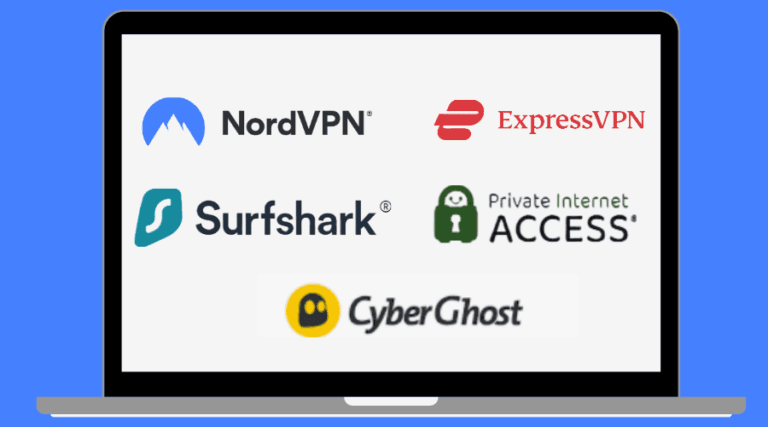
To help you make an informed decision, here’s an in-depth look at the best VPNs for torrenting in 2024. Each VPN has unique features tailored to different needs, ensuring privacy, security, and fast downloads. Here’s a breakdown of the top five:
NordVPN is widely regarded as one of the top VPNs for torrenting. It offers blazing-fast speeds and strong security features like WireGuard (branded as NordLynx), which makes it an ideal choice for seamless torrent downloads.
To learn more about NordVPN’s full range of features and performance, check out our detailed NordVPN Review.

| Plans | Complete | Plus | Basic |
|---|---|---|---|
|
2- Year Plan |
$ 5.49 /month |
$ 4.49 /month |
$ 3.59 /month |
|
1- Year Plan |
$ 6.99 /month |
$ 5.99 /month |
$ 4.99 /month |
|
Monthly Plan |
$ 14.99 /month |
$ 13.99 /month |
$ 12.99 /month |
ExpressVPN is known for its consistent high speeds and ease of use. It also provides powerful encryption, making it a reliable choice for safe torrenting. It offers seamless performance with torrenting clients and excellent cross-platform support.
| Subscription Plans | Pricing |
|---|---|
|
12 Months |
$ 8.83 /month |
|
6 Months |
$ 9.99 /month |
|
1 Month |
$ 12.95 /month |
Surfshark offers excellent value for money while providing strong security features for torrenting. With unlimited device connections, it’s perfect for those who want to protect all their devices at a budget-friendly price.
| Plans | Surfshark Starter | Surfshark One | Surfshark One+ |
|---|---|---|---|
|
24 – Months +3 EXTRA Months |
$ 2.19 /month |
$ 2.69 /month |
$ 4.29 /month |
|
12 – Months +3 EXTRA Months |
$ 2.99 /month |
$ 3.39 /month |
$ 6.09 /month |
|
1 Month |
$ 15.45 /month |
$ 15.95 /month |
$ 17.95 /month |
PIA is one of the best choices for torrenting, thanks to its robust privacy features and customizable settings. With port forwarding and strong encryption options, it’s a favorite among advanced torrent users.

| Plans | Pricing |
|---|---|
|
3 Years + 3 Months |
$ 2.03 /mo |
|
1 Year |
$ 3.33 /mo |
|
1 Month |
$ 11.95 /mo |
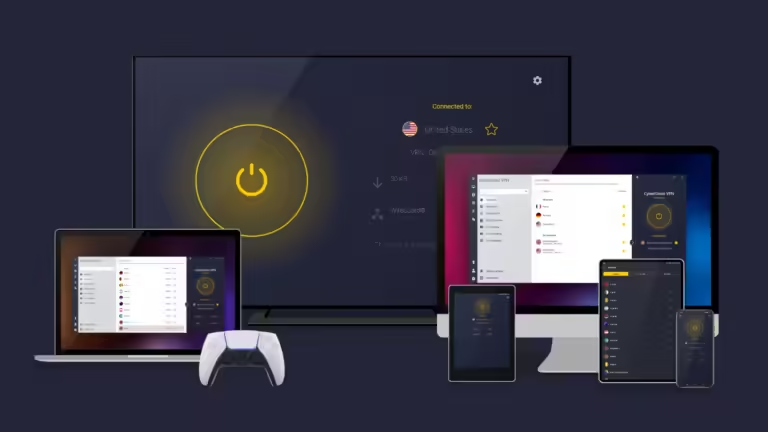
CyberGhost is known for its ease of use and P2P-optimized servers. It’s a solid choice for users who are new to VPNs and want a simple setup for torrenting with optimized servers for specific tasks.
| Plans | Pricing |
|---|---|
|
2 Years + 2 Months |
$ 2.19 /mo. |
|
6 Months |
$ 3.33 /mo |
|
1 Month |
$ 12.99 /mo |
To ensure we recommend only the best VPNs for torrenting, we followed a strict testing process that focuses on the most important factors for a smooth and secure torrenting experience. Here’s how we tested each VPN:

1. Torrenting Speed
Speed is crucial for torrenting, as large files can take hours to download if your VPN slows you down. We tested the download speeds on multiple servers, including those optimized for P2P sharing. We also used Speedtest by Ookla to measure the performance, ensuring accurate and reliable speed results
Each VPN was evaluated based on how well it maintained fast speeds during high-bandwidth activities like torrenting large files. We also looked at the impact of different protocols like WireGuard and OpenVPN to see which delivered better speeds.
2. Security and Privacy
Security is non-negotiable when it comes to torrenting. We checked for IP and DNS leak protection, ensuring no data or real IP address was exposed during torrenting sessions.
We also tested the reliability of each VPN’s kill switch, which automatically disconnects you from the internet if the VPN connection drops, preventing your true identity from being revealed. Additionally, we verified each VPN’s no-logs policy to ensure they don’t store any user activity.
3. P2P Support and Torrenting Features
Not all VPNs support P2P (peer-to-peer) file sharing on every server. We ensured that all VPNs in our list explicitly support P2P and have dedicated servers for torrenting. We also looked at additional features like port forwarding, which can improve torrenting speeds and SOCKS5 proxy support for enhanced anonymity during torrenting.
4. Jurisdiction and Privacy Laws
The VPN’s jurisdiction matters when it comes to privacy. We reviewed where each VPN is based and assessed whether they are in countries with strong data protection laws. VPNs based in privacy-friendly countries like Panama, Switzerland, or Romania offer better privacy protections than those based in the USA or UK, where data retention laws can threaten user anonymity.
5. Cross-Platform Compatibility
We tested each VPN across various platforms, including Windows, Mac, Linux, Android, and iOS. Torrenting often happens on multiple devices, so we ensured that the VPNs worked seamlessly across all operating systems. We also looked at ease of use, ensuring that the VPN apps were intuitive and user-friendly, regardless of the device.
6. Customer Support
When torrenting, you may encounter issues with your VPN connection or setup. We tested the customer support provided by each VPN, checking if they offer 24/7 live chat, email support, and a comprehensive knowledge base. Good customer support ensures you can get quick help if your VPN isn’t working while torrenting.
7. Torrenting Features and Value
Finally, we assessed the overall value for money by looking at each VPN’s pricing structure. VPNs that offer features like unlimited bandwidth, port forwarding, and a reliable kill switch at a reasonable price were given higher scores.
We also considered long-term pricing options, as many users prefer annual plans for better value. If you’re on a budget and looking for free VPN options, check out our latest guide on the Best Free VPN for Torrenting in 2024.
If you’re new to VPNs and need help making an informed decision, check out our comprehensive buying guide for beginners.
Torrenting exposes users to a variety of risks, including privacy breaches, ISP tracking, and legal consequences. A VPN acts as a shield, providing several layers of protection that go beyond basic security. Here’s how a VPN specifically protects you while torrenting:
1. Anonymizing Your Connection
With torrenting without a VPN, the users have no anonymity, and everyone in the same file share can have access to your real IP address, hence location and identity. With a VPN, your real IP is replaced with the VPN server’s IP, making it impossible for anyone to trace the traffic back to you. This is important to safeguard your identity from your ISP and other torrent users.
2. Bypassing Geographical Restrictions
Some torrents or P2P networks are restricted or banned in some countries. A VPN enables you to connect to servers in countries where torrenting is allowed, giving you unrestricted access to content that might otherwise be blocked due to your location.
One of the ways of unblocking torrents is by connecting to a server in a country that supports torrents, such as Switzerland or the Netherlands, while keeping your internet use private.
3. Avoiding Legal Consequences
In regions like the USA, torrenting copyrighted material is illegal and can lead to legal action. A VPN masks your activity and routes your traffic through servers in privacy-friendly countries, making it much harder for authorities or copyright enforcers to track you. This gives you peace of mind while torrenting, especially in countries with strict copyright laws.
4. Masking Torrent Traffic from ISPs
Many ISPs monitor users’ internet traffic and often throttle bandwidth when they detect torrenting activity. This results in slower download speeds and interruptions. A VPN encrypts your internet traffic, so your ISP cannot tell what you’re doing online, preventing them from slowing your connection. As a result, you maintain consistent download speeds without ISP interference.
5. Protecting Your Device from Malware
Some VPNs, like Surfshark and CyberGhost, have built-in features that block malicious sites or prevent downloads from infected torrent files. While a VPN’s primary role is privacy, these extra features act as a first line of defense against malware and phishing attempts commonly associated with torrent downloads.
6. Maintaining Secure Torrenting Sessions
While using a VPN, your connection is encrypted, ensuring that all data transferred between your device and the VPN server remains secure. Even if someone intercepts your torrenting traffic, they won’t be able to decipher it. This is critical in preventing unauthorized access to your data, such as your location, torrenting habits, or other sensitive information.
7. Ensuring Safety During Connection Drops
A sudden drop in VPN connection while torrenting can reveal your real IP address. VPNs with a kill switch feature automatically cut your internet connection in such cases, ensuring that your identity remains hidden even if the VPN disconnects unexpectedly. This feature is vital for continuous protection while torrenting large files.

When torrenting, choosing the right VPN server location is as important as selecting the right VPN provider. Certain countries are known for having more torrent-friendly laws, while others enforce strict regulations on file sharing.
Using a VPN allows you to connect to servers in regions where torrenting is safer, keeping your activity private and avoiding legal risks. Here’s a guide to selecting the safest VPN locations for torrenting.
1. Switzerland
Due to its strong privacy laws, Switzerland is one of the best countries for torrenting. The country is known for protecting internet users’ rights and does not enforce harsh penalties for torrenting non-commercial content.
Many VPNs offer P2P-optimized servers in Switzerland, making it a popular choice for torrenters looking for security and legal protection.
2. The Netherlands
The Netherlands has a relaxed stance on torrenting, especially for personal use. While the government does target large-scale piracy, individual users face fewer risks compared to other countries.
VPNs with servers in the Netherlands are a good choice for torrenting, as the country balances a reasonable approach to copyright enforcement with user privacy.
3. Romania
Romania is another privacy-friendly location for torrenting. The country has strong data protection laws outside major global surveillance alliances like the 5/9/14 Eyes. VPNs with servers in Romania are ideal for torrenting, as the government doesn’t strictly monitor or restrict file-sharing activities.
4. Panama
Although Panama is not commonly mentioned, it is a solid location for privacy-focused torrenting. The country has no mandatory data retention laws, meaning VPN providers based here, like NordVPN, are not required to store any user data. This makes Panama-based servers a good option for anonymous torrenting.
5. Iceland
Iceland is often overlooked, but it offers strong protections for internet privacy. The country’s laws allow for greater freedom regarding internet activity, making it a safe option for torrenting. VPNs offering servers in Iceland provide a great balance between privacy and P2P support.
6. Canada
Canada allows P2P sharing for personal use, though the laws around copyright infringement are stricter than in places like Switzerland or the Netherlands. Still, VPNs with Canadian servers can provide fast speeds for torrenting and a reasonable level of protection, but it’s important to ensure the VPN has a strong no-logs policy.
While certain countries are ideal for torrenting, others have strict laws and surveillance programs that make them unsafe for torrenting activities. Here are a few places to avoid:
United States (USA): The USA is known for its strict copyright laws and aggressive copyright enforcement. Torrenting without proper protection can result in legal consequences, fines, and ISP warnings.
United Kingdom (UK): Similar to the USA, the UK has stringent copyright laws and heavily monitors P2P traffic.
Australia: The country has a history of actively monitoring and penalizing users for illegal torrenting activities.
Currently, unauthorized downloading and sharing of copyrighted materials in the USA is unlawful under the DMCA. Internet service providers, ISPs, have obligations to observe and block users involved in unauthorized downloads by torrenting, which may result in fines, throttling of bandwidth, and, to some extent, shall be blocked from accessing the internet.
Similarly, Germany, Japan, France, and Australia also have prohibited laws regarding piracy of copyrighted material through torrents. You need to work with the best VPN for torrenting to keep your privacy and identity from being revealed while using the internet. VPNs encrypt traffic allowing individuals to have their actions while on the Internet screened by other than ISPs.
However, as much as a VPN makes you anonymous, it does not legalize wrongdoings. Always consult your country’s laws and ensure you download your files from a lawful site if you want to torrent legally without violating the law.
If your VPN isn’t working while torrenting, it can be frustrating, especially when privacy and speed are essential. Several common issues might cause your VPN to fail during torrenting, but fortunately, most of these can be resolved with a few simple troubleshooting steps.
1. Check for DNS or IP Leaks
Sometimes, even when you’re connected to a VPN, your real IP address might still be exposed due to DNS or IP leaks. This can happen if the VPN’s protection isn’t functioning properly. To fix this:
Solution: Use online tools to check for DNS or IP leaks. If leaks are detected, enable the DNS leak protection feature in your VPN settings. Ensure the kill switch is also activated to prevent any accidental exposure.
2. Enable Port Forwarding
Some VPNs require port forwarding to allow torrent traffic to pass through securely. If this setting is not enabled, you may experience connection issues.
Solution: Check if your VPN supports port forwarding and activate it in the settings. This feature can boost connection stability while torrenting.
3. Switch VPN Servers
Your VPN might not be working with torrenting because the server you’re connected to doesn’t support P2P traffic. Many VPNs restrict torrenting to specific servers for performance or legal reasons.
Solution: Switch to a P2P-friendly server. Most VPN providers, especially those considered the best VPNs for torrenting, have dedicated servers optimized for P2P traffic.
4. Update Your VPN Software
An outdated VPN client can cause connection problems while torrenting. Bugs and vulnerabilities in older versions might impact performance.
Solution: Always use the latest version of your VPN software. Updating ensures that your VPN has the latest security patches and performance improvements.
5. Disable IPv6
Some VPNs don’t fully support IPv6, which can lead to traffic bypassing the VPN and exposing your real IP address. This can cause problems while torrenting.
Solution: Disable IPv6 on your device to force all traffic to go through the VPN. You can usually do this in your device’s network settings.
6. Check Your Firewall or Antivirus
Your device’s firewall or antivirus software might block the VPN connection or interfere with its functionality, preventing it from working while torrenting.
Solution: Add the VPN to the list of exceptions in your firewall or antivirus software. This will prevent the security tools from blocking your VPN connection.
7. Insufficient Bandwidth or Throttling
ISPs often throttle bandwidth for torrenting traffic, even if you’re using a VPN. This could be why your torrent downloads are slow or not working.
Solution: Use a VPN with anti-throttling features or switch to a server in a location with less ISP interference.
8. Test Different VPN Protocols
Different VPN protocols can impact performance and connectivity. Sometimes, the default protocol may not work well with torrenting.
Solution: Try switching to protocols like OpenVPN, WireGuard, or IKEv2 in your VPN settings. These protocols often offer better performance for torrenting.
| VPN Service | NordVPN | ExpressVPN | Surfshark VPN | Private Internet Access VPN | CyberGhost VPN |
|---|---|---|---|---|---|
|
Torrenting Speeds |
Excellent |
Very Good |
Good |
Good |
Very Good |
|
Security Protocols |
WireGuard, OpenVPN |
OpenVPN, Lightway |
OpenVPN, IKEv2 |
WireGuard, OpenVPN |
WireGuard, OpenVPN |
|
Port Forwarding |
Yes |
No |
No |
Yes |
No |
|
Dedicated Torrent Servers |
Panama |
British Virgin Islands |
Netherlands |
USA |
Romania |
|
Supported Devices |
Windows, Mac, Android, Linux |
Windows, Mac, Android, Linux |
Unlimited devices supported |
Windows, Mac, Android, Linux |
Windows, Mac, Android, Linux |
Choosing the best VPN for torrenting is essential for protecting your privacy, maintaining fast download speeds, and avoiding potential legal risks. Throughout this article, we’ve covered the most important factors to consider when choosing a VPN that meets these needs so that one can torrent safely and anonymously in 2024.
Beginning with the need to use a VPN for torrenting, we recalled that a good VPN masks your IP address and encrypts your data to keep you safe from ISP throttling and legal consequences. Without a VPN, torrenting exposes you to ISPs, third parties, and potential legal threats, especially in regions like the USA, where copyright laws are enforced.
According to my research, safe torrenting can be provided by some of the Top VPNs like NordVPN, ExpressVPN, Surfshark, PIA, and CyberGhost offer reliable solutions for safe torrenting. Each brings unique strengths, from fast servers to advanced security features, making torrenting anonymous and efficient.
In conclusion, torrenting can be safe and efficient with the right VPN. Selecting one of the best VPNs for torrenting covered in this guide ensures that your downloads are fast, secure, and private. Protect yourself, enjoy your torrents, and make the most of the VPN features designed to keep your identity hidden and your online activity anonymous.
1) How Will a VPN Affect My Torrenting Speeds?
A VPN can slightly reduce torrenting speeds because it routes traffic through an encrypted server. However, premium VPNs like NordVPN and ExpressVPN are optimized for speed and designed to handle torrenting efficiently.
The decrease in speed is often minimal and well worth the enhanced privacy and security. To minimize the impact on speed, choose a VPN with P2P-optimized servers and connect to a server near your location.
2) What is Torrenting?
Torrenting is a method of downloading and sharing files over the internet using peer-to-peer (P2P) technology. Instead of downloading a file from a single server, you are given many small parts of the file from other users (peers) simultaneously.
This makes the download faster but also puts your IP address at risk; using the best VPN for torrenting will protect you from such risks.
3) How Can I Hide My Torrent Activity from My ISP?
You can hide your torrent activity from your ISP (Internet Service Provider) using a VPN. A VPN security protocol layers your internet connection with an encryption feature and changes your IP address; thus cannot track your downloading or uploading activities. All your ISP will know is that you are connected to a VPN and not that you’re downloading torrents.
4) Which VPN is Safe for Torrenting?
VPNs like NordVPN, ExpressVPN, and CyberGhost VPN are safe for torrenting. These VPNs offer strong encryption, a strict no-logs policy, and P2P-friendly servers. They also provide features like kill switches and DNS leak protection to protect your privacy while torrenting.
5) What are the Legal uses for Torrenting?
Torrenting can be used legally, such as downloading open-source software, public-domain movies, or free music. Many companies also use it to send large files to their employees, customers, and business partners. Torrenting is becoming increasingly popular to share and distribute legal content, including educational videos and audiobooks.